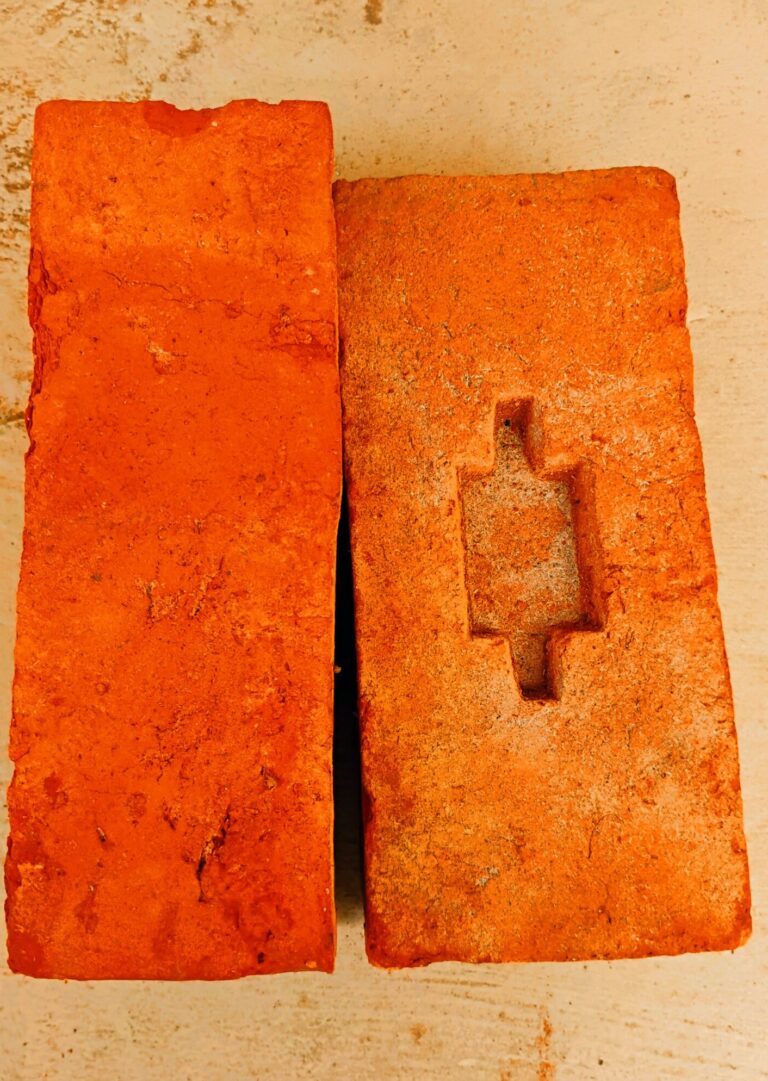
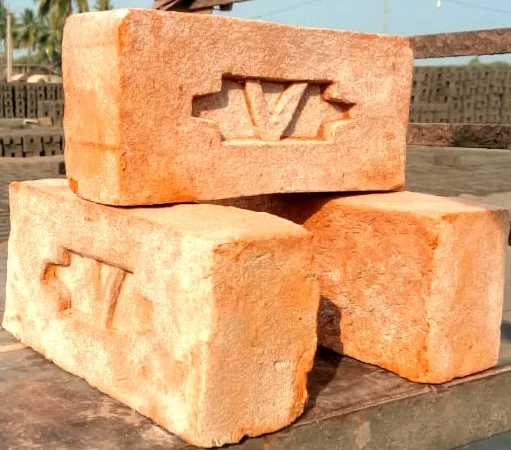
Red bricks are one of the oldest and most commonly used building materials, primarily made from natural clay. They have been a fundamental part of construction for centuries, offering durability and a classic aesthetic appeal. We Have Different types of Red Bricks, They are classified Based on Water Absorption.
In many modern brick works, bricks are usually fired in a continuously fired tunnel kiln, in which the bricks are fired as they move slowly through the kiln on conveyors, rails, or kiln cars, which achieves a more consistent brick product.
As the temperature is increased the colour moves through dark red, purple, and then to brown or grey at around 1,300 °C (2,370 °F).
We have Bricks of water absorption Types
9% to 15 % Absorption
15 % to 25% Absorption
25% to 30 % Absorbtion
Water Absorption 9% to 15 %
Water Absorption 15% to 25%
Water Absorption 25% to 30%
Why Choose Red Bricks for Your Home?
Choosing the right material for building your home is crucial. Here’s why red bricks might be the perfect choice:
1. Durability and Longevity: Red bricks have stood the test of time, showcasing their ability to last through generations.
2. Thermal Comfort: These bricks provide excellent insulation, keeping your home cool in the summer and warm in the winter.
3. Aesthetic Versatility: The different types of red bricks are timeless and fit both traditional and modern designs.
4. Cost-Effective: Due to their durability, red bricks can be a more budget-friendly option in the long run.
When considering red bricks in construction, comparing fly ash vs red bricks is common to determine the best option for your project.
The length and width of the common brick remained fairly constant from long back, when the size was regulated by statute at 9 x 4+1⁄2 x 3 inches, but the depth has varied from about two inches (51 mm) or smaller in earlier times to about 2+1⁄2 inches (64 mm) more recently. The usual size of a modern brick (from 1965) is 215 mm × 102.5 mm × 65 mm (8+1⁄2 in × 4 in × 2+1⁄2 in), which, with a nominal 10 millimetres (3⁄8 in) mortar joint, forms a unit size of 225 by 112.5 by 75 millimetres (9 in × 4+1⁄2 in × 3 in), for a ratio of 6:3:2.


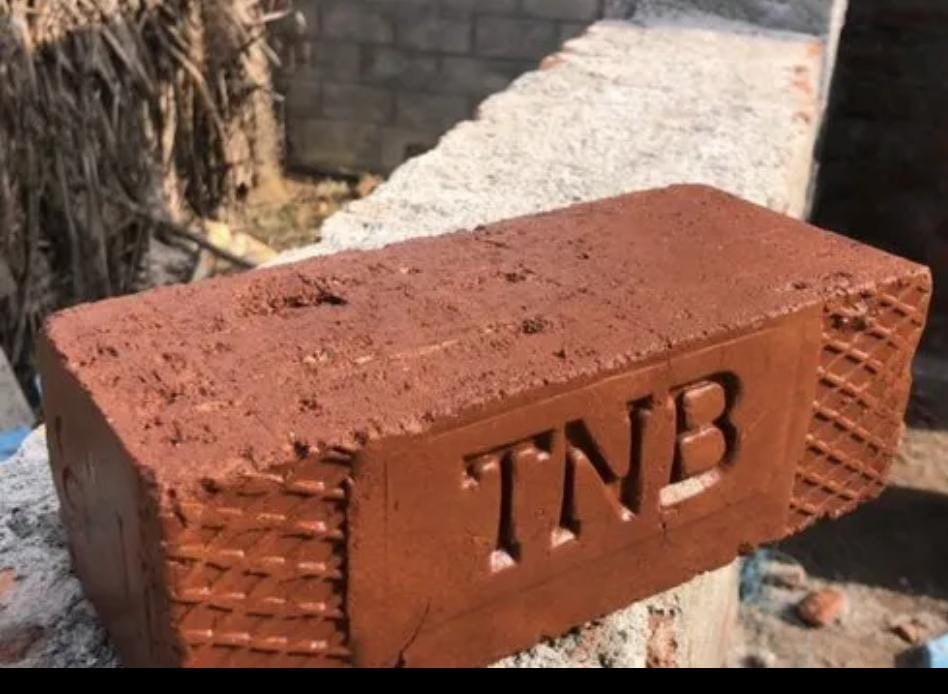 Water Absorption 9% to 15 %